AR Storyland
AR-enhanced history books that bring images to life.
Mobile App / AR
DionSys XR develops Web 3D experiences and AR/VR/MR apps. Whether you have an original idea, want to bring technology into your product or simply want to tell a story differently, we can turn it into a vivid experience that users can interact with and step into, not just look at.
Contact DionSys on Facebook or by email below. We are always ready to create something different together.
End-to-end 3D/AR/VR website development for moderately complex products and experiences, optimized for rapid deployment directly in the browser.
Specialized AR/VR apps for iOS, Android and headsets, designed for more complex products that require advanced logic, robust tracking and high performance.
Guidance on bringing immersive technology into business processes and education.
For individual sellers, online shops, small stores and family businesses looking to showcase their products more vividly.
Support for graduation projects and startup ideas, with preferential pricing and hands-on technical guidance.
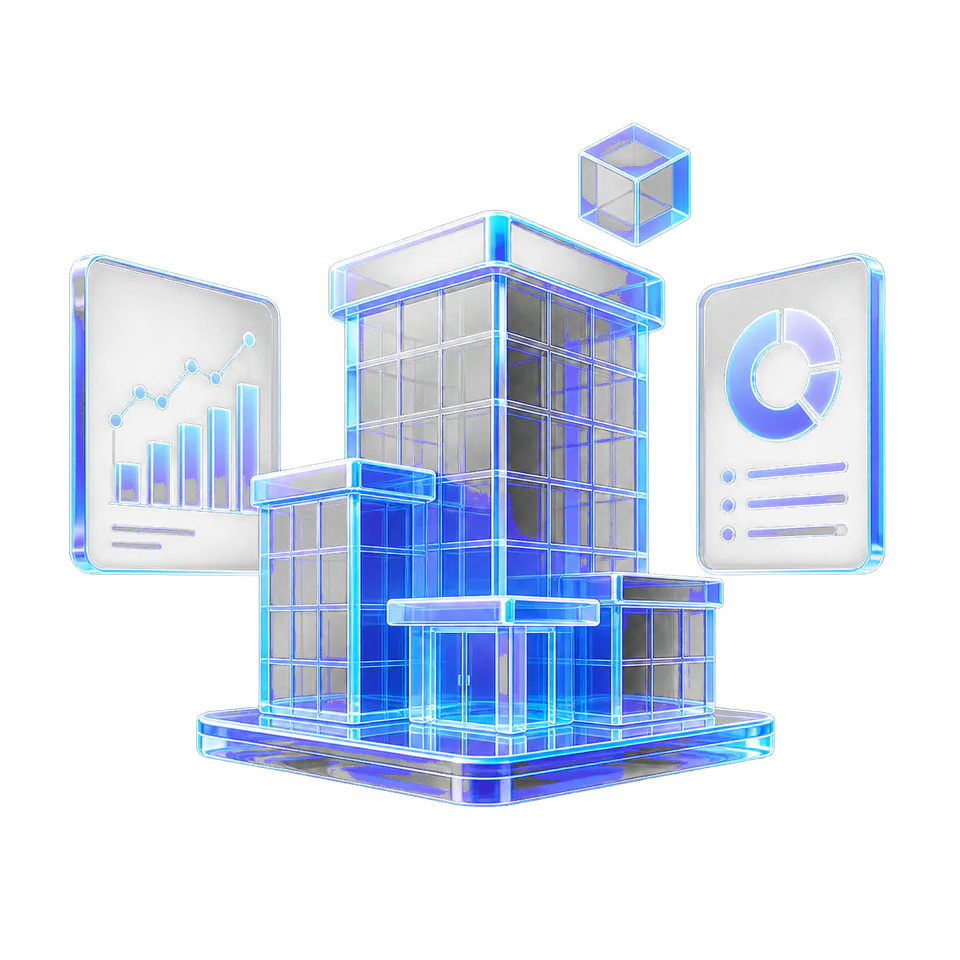
Solutions that streamline digital transformation, build a distinctive brand presence and improve marketing effectiveness through 3D.

Digitize teaching materials and create virtual museums and safe VR laboratories.
Try the demos to see how Web 3D, AR, WebXR and VR can be used in real products.
Understand the differences through clear examples and find the right direction for your idea.
We use Unity, Three.js and WebXR to build modern 3D/AR/VR experiences, balancing new technology with stability and practical deployment.
With multiple 3D/AR/VR projects delivered, we combine deep expertise and practical experience to tackle technical challenges from development through operation.
We recommend technology and features that fit your goals, platform and budget, without unnecessary complexity. Our focus is practical value, cost efficiency and scalability.
We agree on a clear scope and schedule, provide updates at each stage and test before handover. After deployment, we provide user guidance and technical support as agreed.
Analyze requirements and recommend a suitable technology solution.
Build an initial 3D prototype and outline the core interactions.
Agree on scope, cost and schedule, then sign the delivery contract.
Implement the product and optimize graphics and the user experience.
Test features, performance and usability on target devices, and resolve issues before handover.
Deliver the product, provide user guidance and deploy it for real-world use.
We will propose a detailed roadmap and budget after discussing your goals, scope and deployment platform.
AR/VR makes lessons less abstract, deepens immersion and provides a safe practice environment for school students, university students and workplace training.
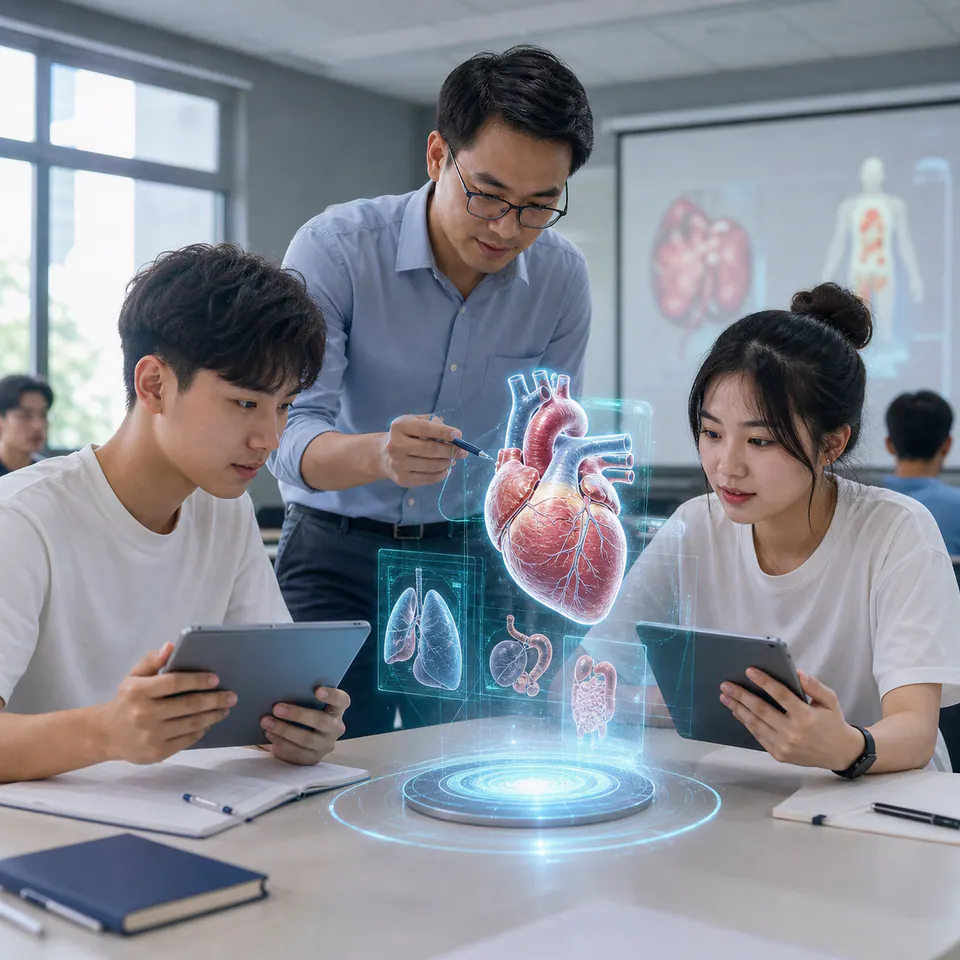
Students use a tablet or phone to view 3D models on their desks, rotate them and explore cross-sections of organs, making concepts easier to grasp than static 2D images.
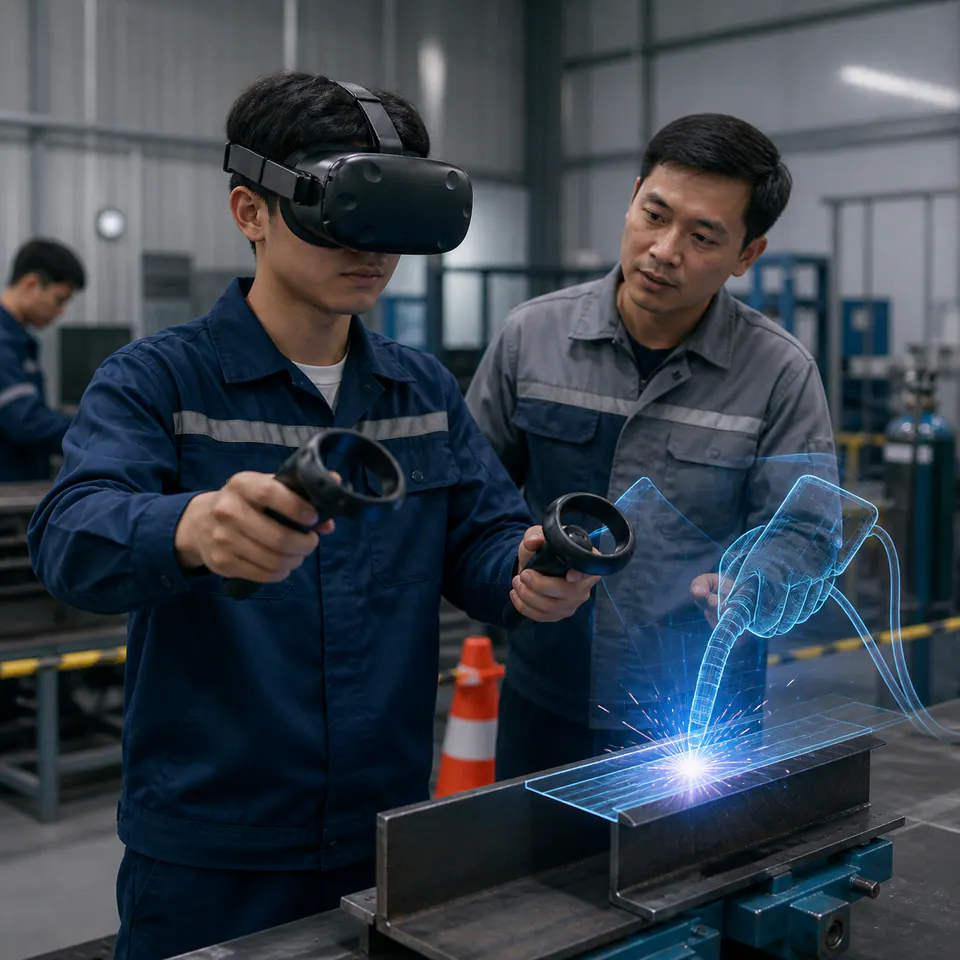
Workplace safety, welding, equipment operation and technical procedures can be practiced in VR first to reduce risks and material costs.
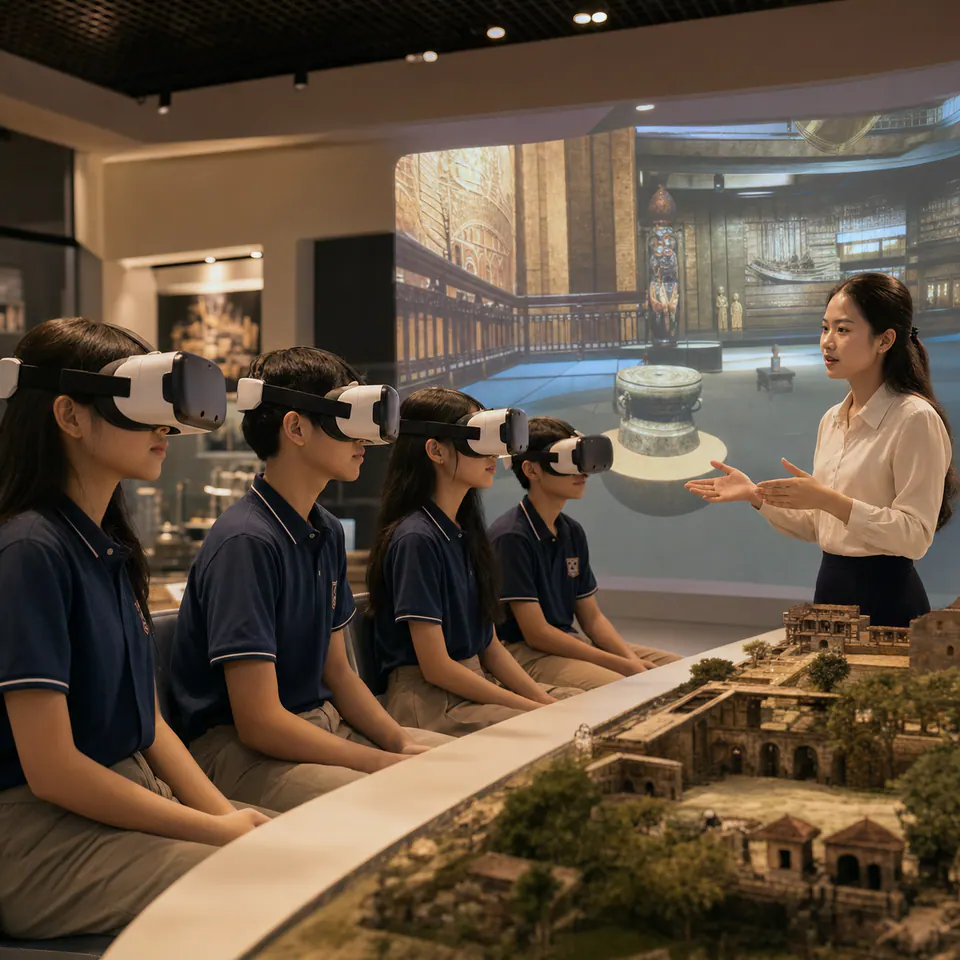
Schools and training centers can create virtual exhibition tours that let learners explore heritage sites, artifacts and historical settings more vividly.
In real estate, AR/VR helps customers visualize a property before construction is complete or before visiting, while giving sales teams a more compelling way to present projects.
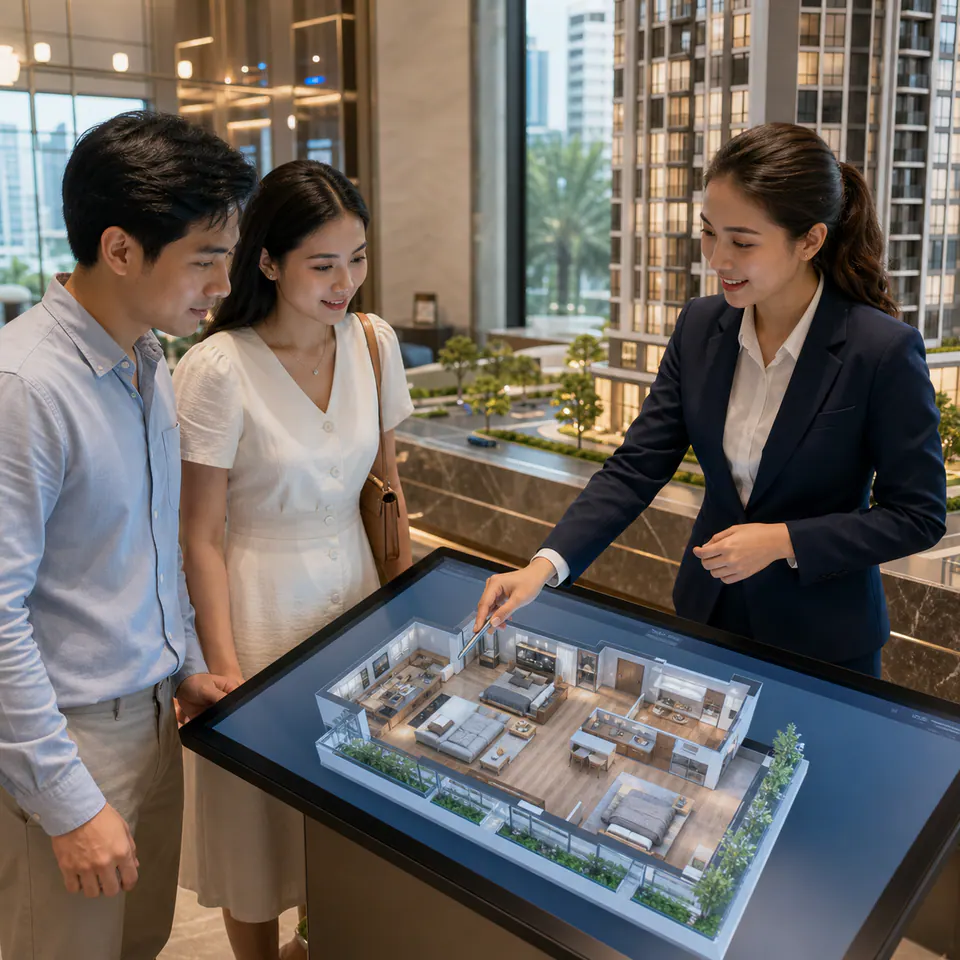
Customers can explore apartment layouts, move between rooms and get a realistic sense of the space on a large screen or tablet without visiting the construction site.
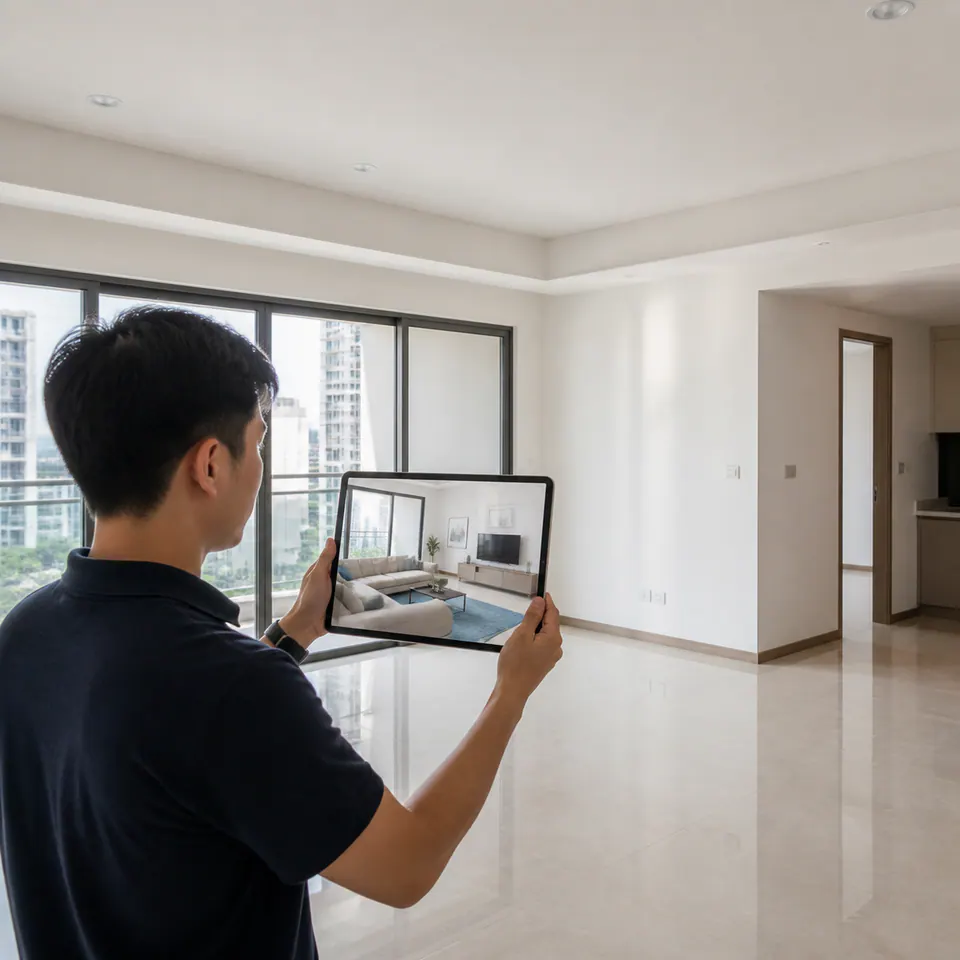
Agents and developers can let customers use their phones to try out sofas, dining tables, cabinets and furniture layouts, helping them picture how they could live in the space.
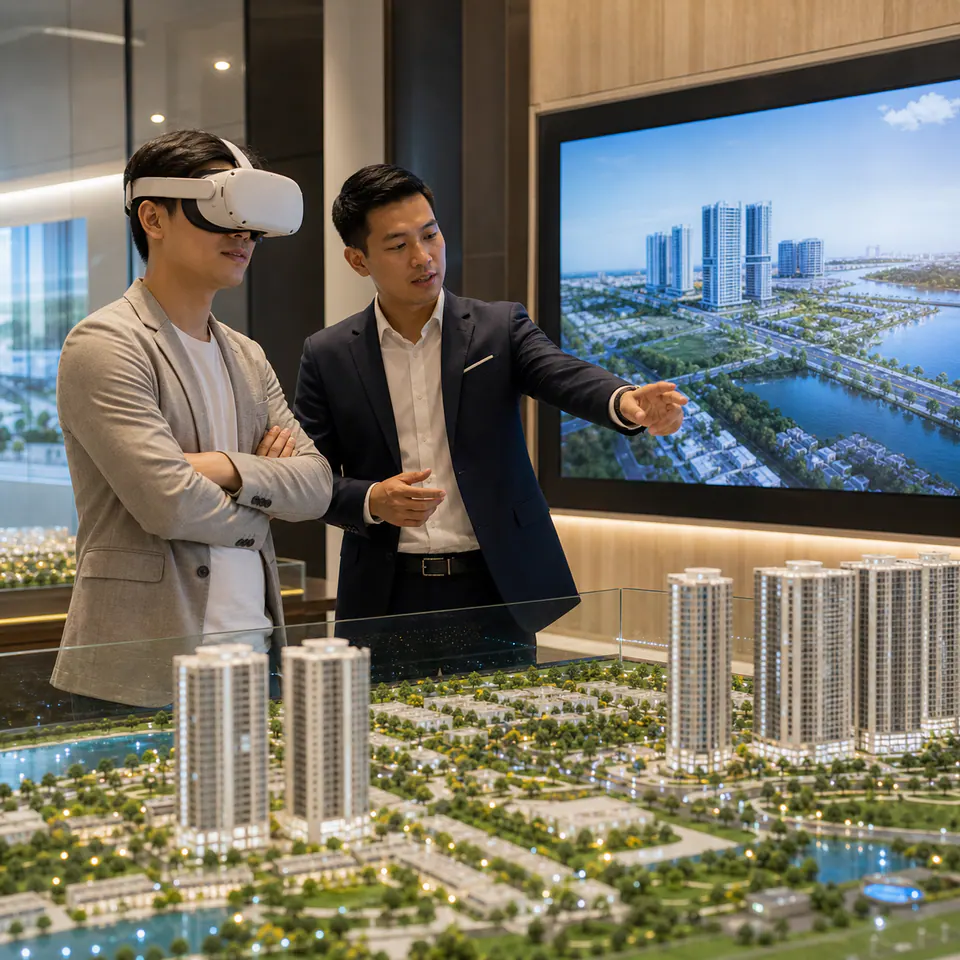
For large developments, investors and partners can explore the entire neighborhood, amenities, views and circulation routes to assess the project in greater depth before making a decision.
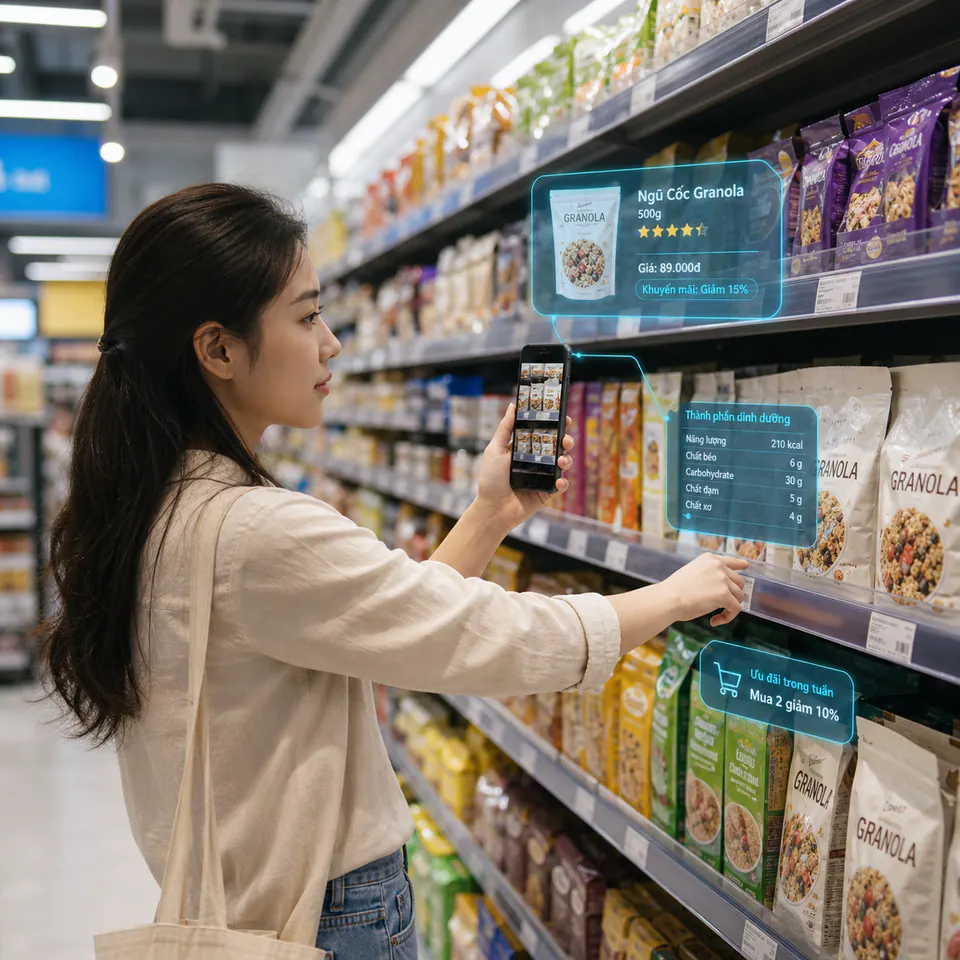
AR/VR in retail lets customers try before they buy, see products more clearly and enjoy richer interactions both in-store and online.
Customers can stand in front of a smart mirror to quickly try different outfits, glasses or accessories without repeatedly changing, making it well suited to fashion and cosmetics retail.
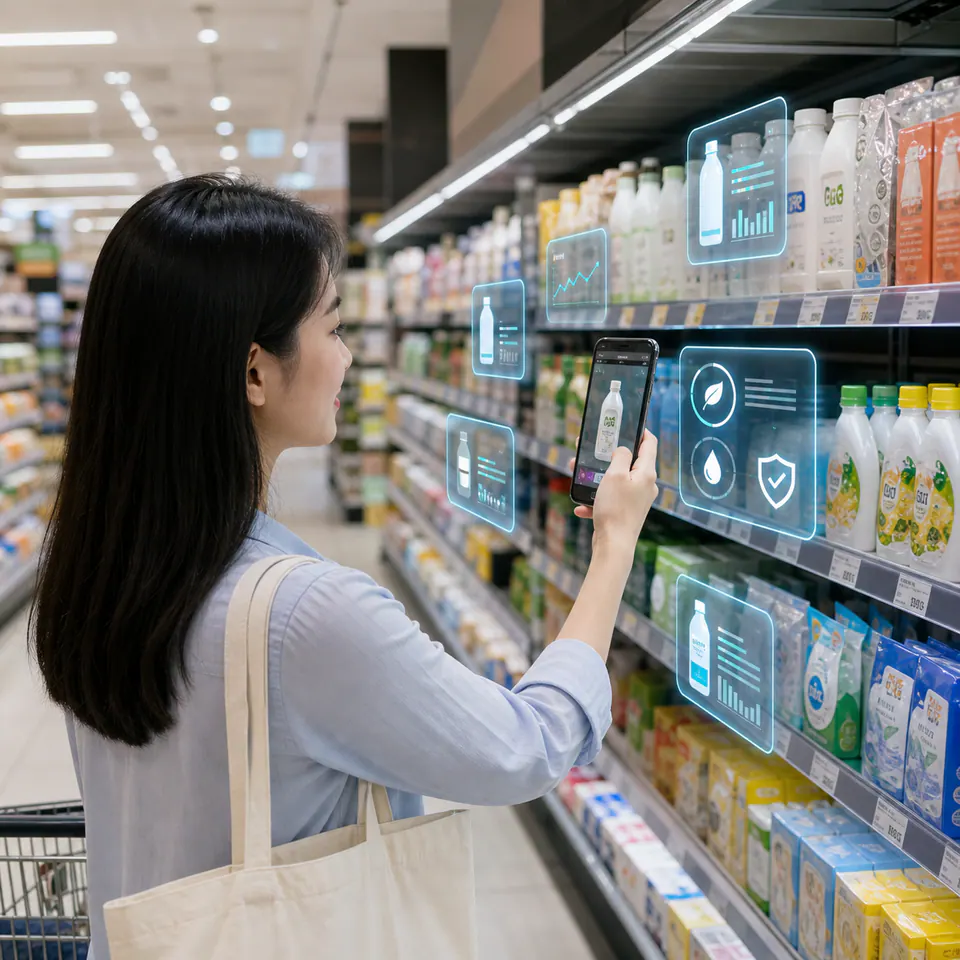
By scanning a product with their phone, shoppers can see visual comparisons, uses and related recommendations right at the point of sale.
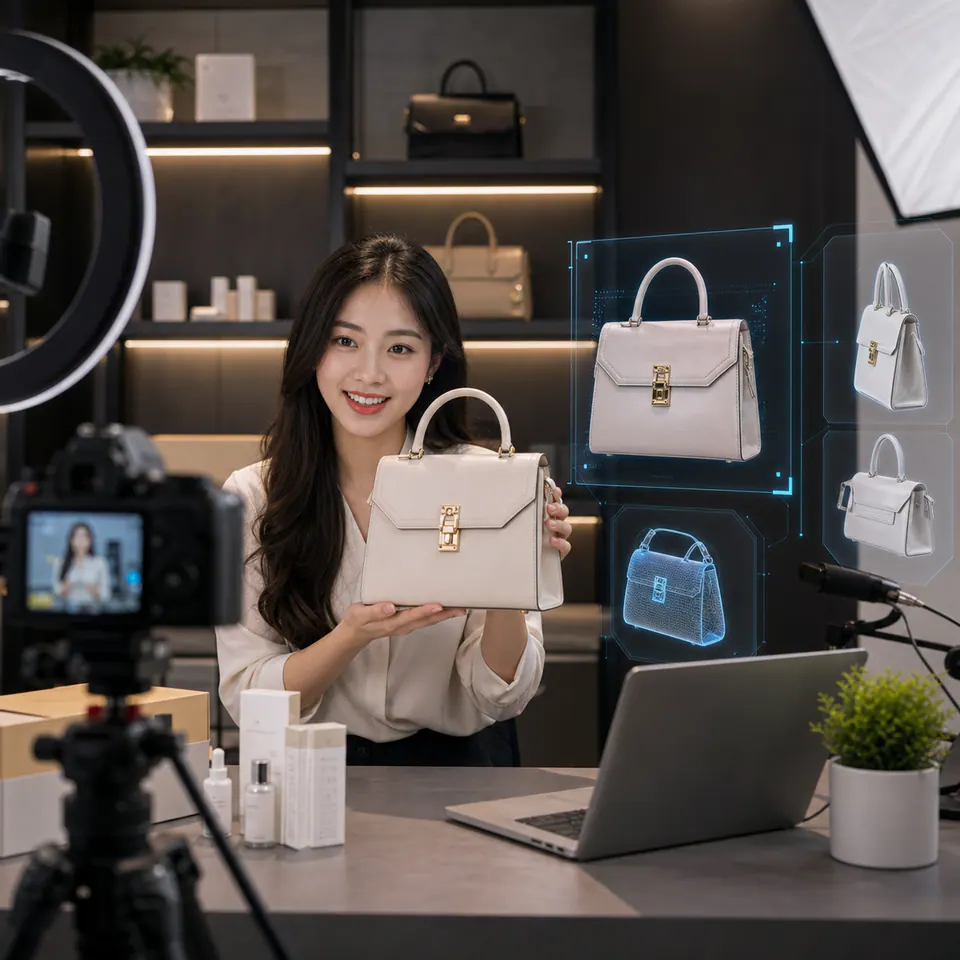
Sellers can present products with 3D views or AR effects so online shoppers can examine them more closely and buy with greater confidence.
In arts and culture, AR/VR opens up new ways to tell stories, reconstruct lost settings and let audiences engage more deeply rather than simply observe.
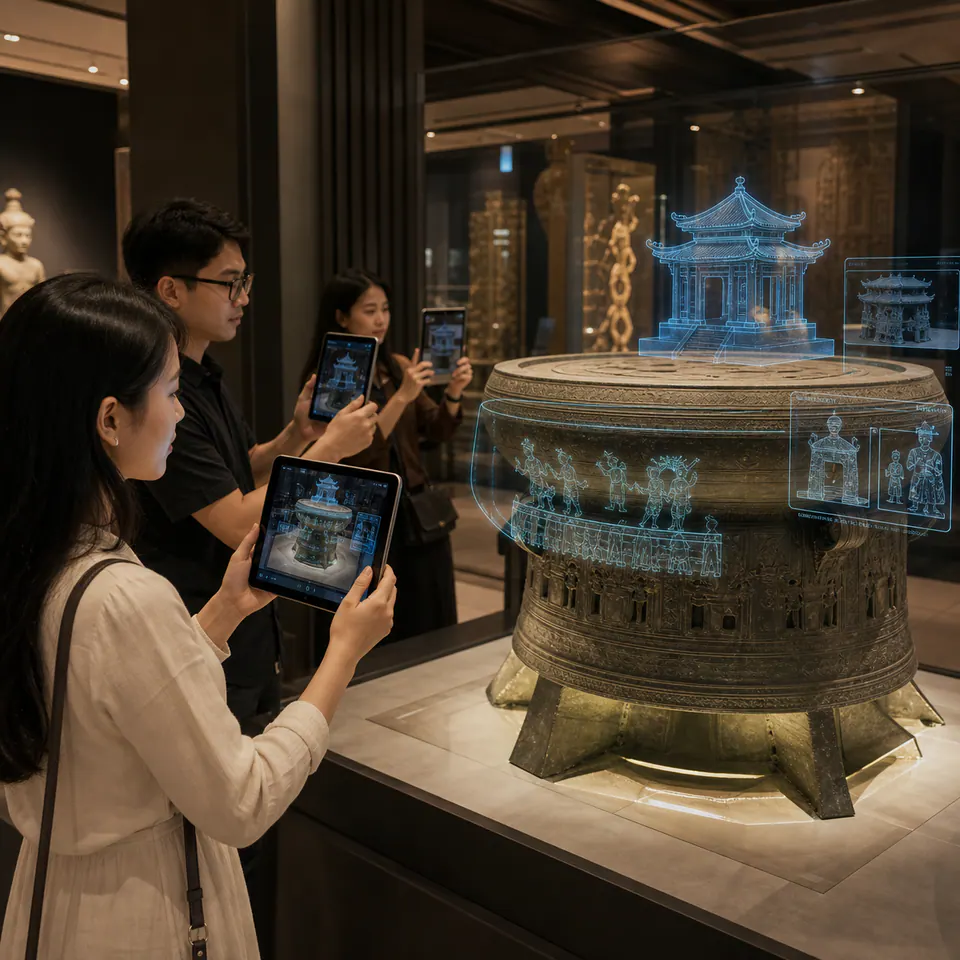
Visitors can point a device at an artifact to see a reconstruction, hidden details or how it was used in the past.
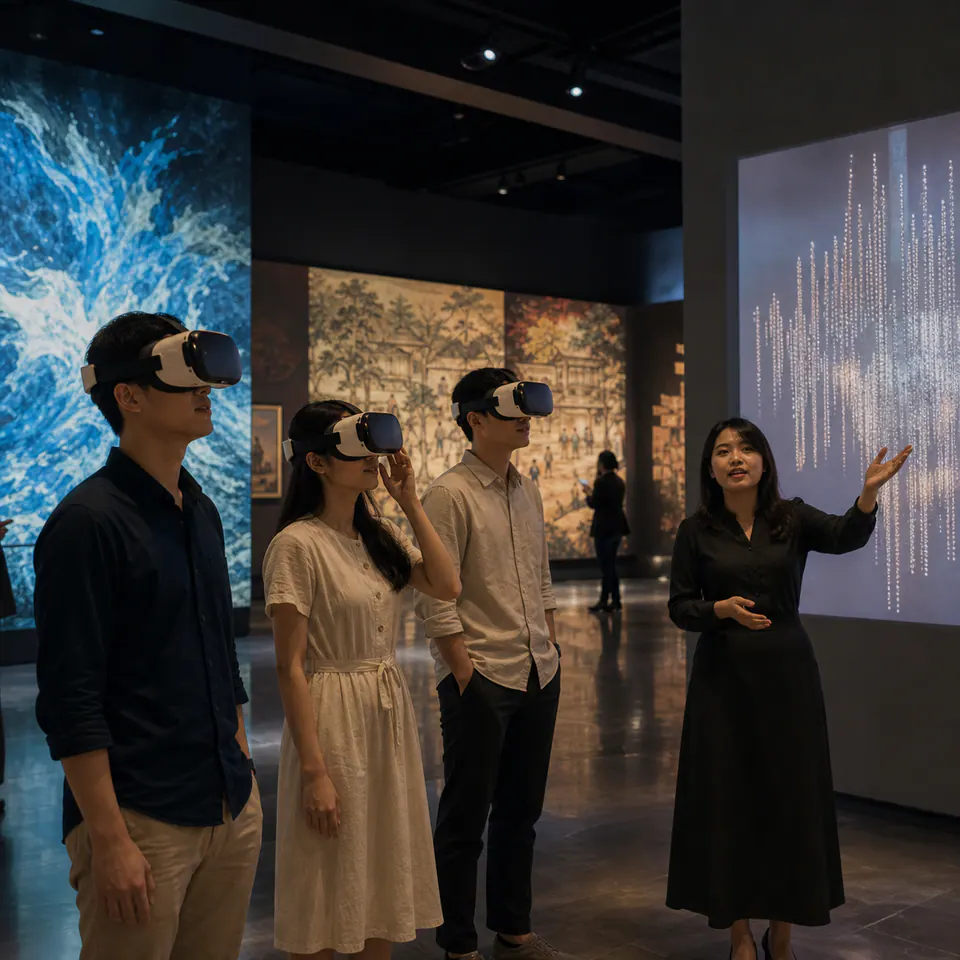
Galleries and cultural organizations can create digital exhibitions that visitors step into, ideal for events, showcases and special ticketed experiences.
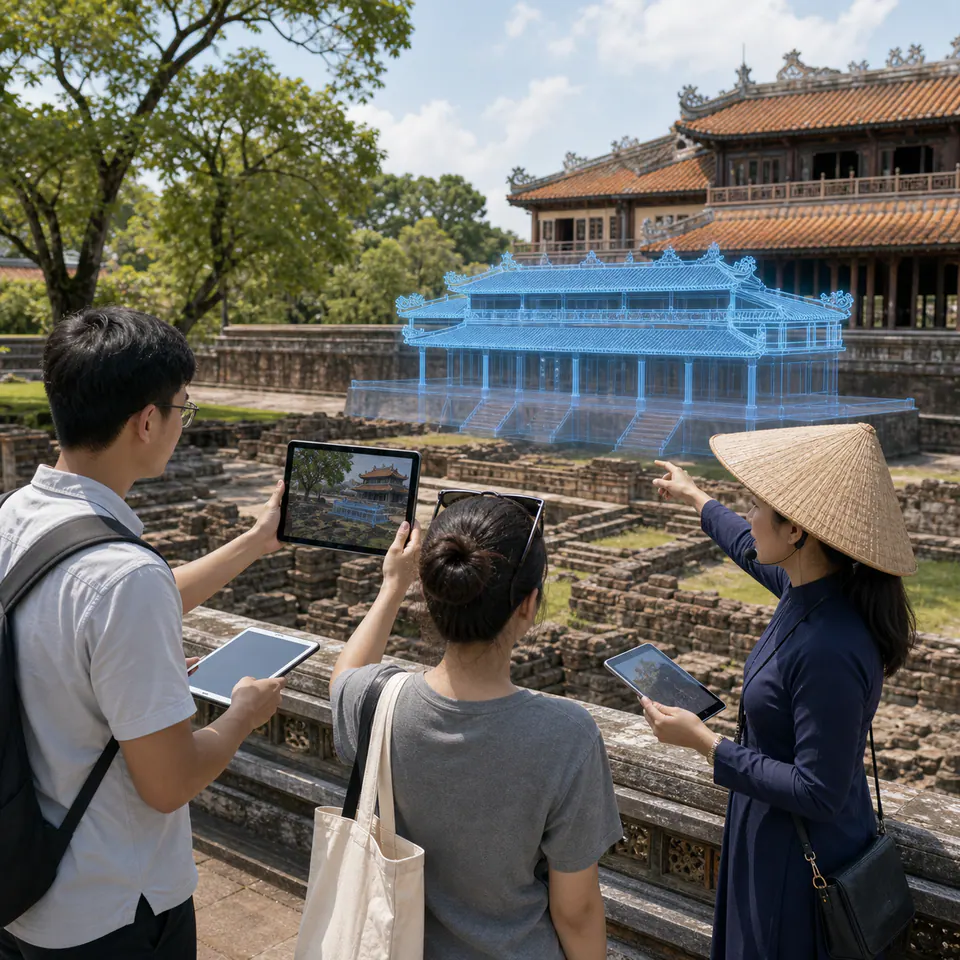
At heritage sites, AR can recreate original structures over the surviving architecture, helping visitors understand the significance of the place more clearly.
AR/VR in healthcare helps doctors visualize data more clearly, improves training and enables safe, repeatable forms of therapy.
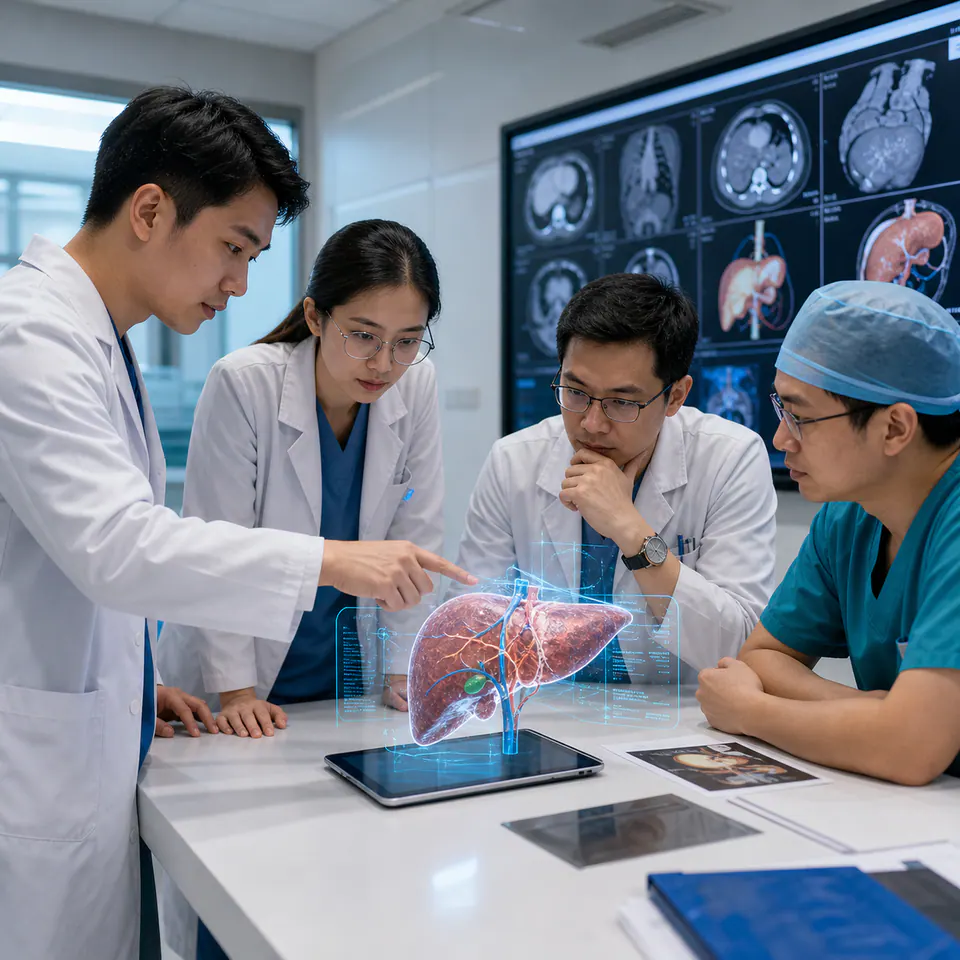
Doctors can view 3D models of organs or treatment areas before surgery to communicate more efficiently with the team and reduce preparation errors.
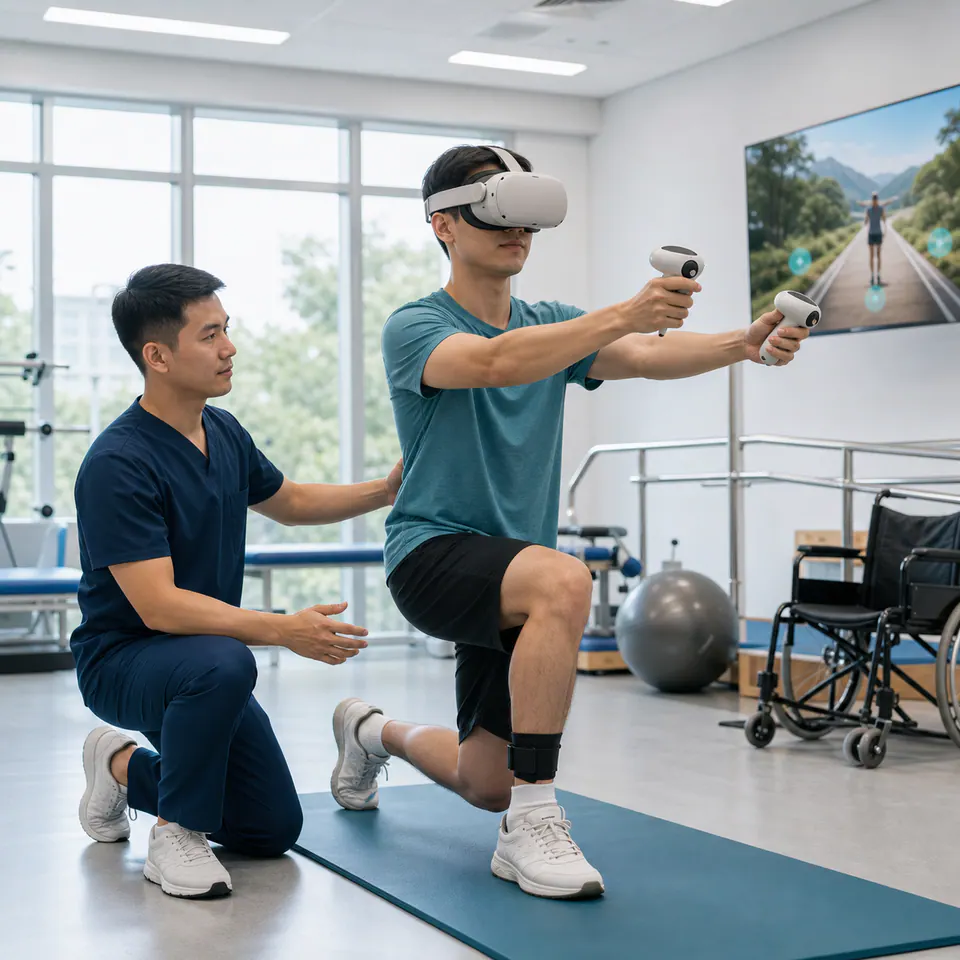
Patients can follow guided rehabilitation exercises in VR, making therapy more engaging and progress easier to track.
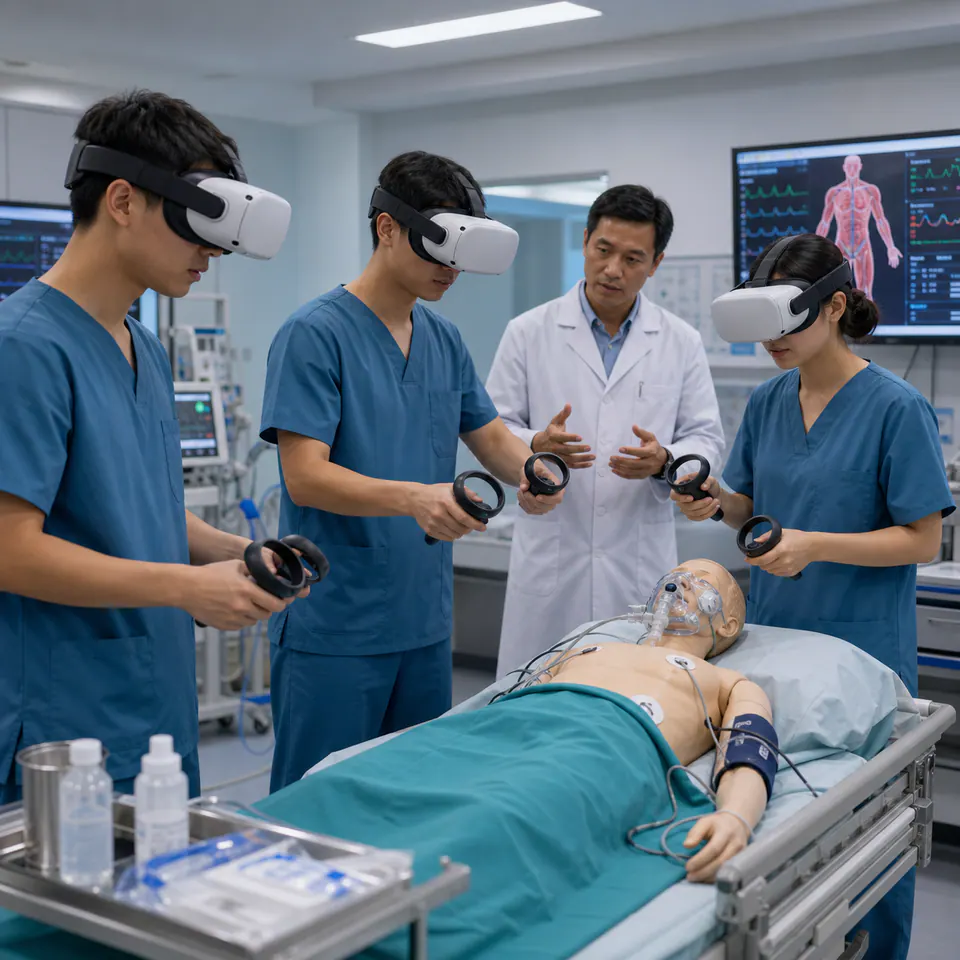
Hospitals and medical schools can use VR to practice emergency responses, teamwork and procedures in a realistic environment without putting anyone at risk.
In industry and engineering, AR/VR reduces operational errors, makes training safer and helps teams understand an entire system before working on real machinery.
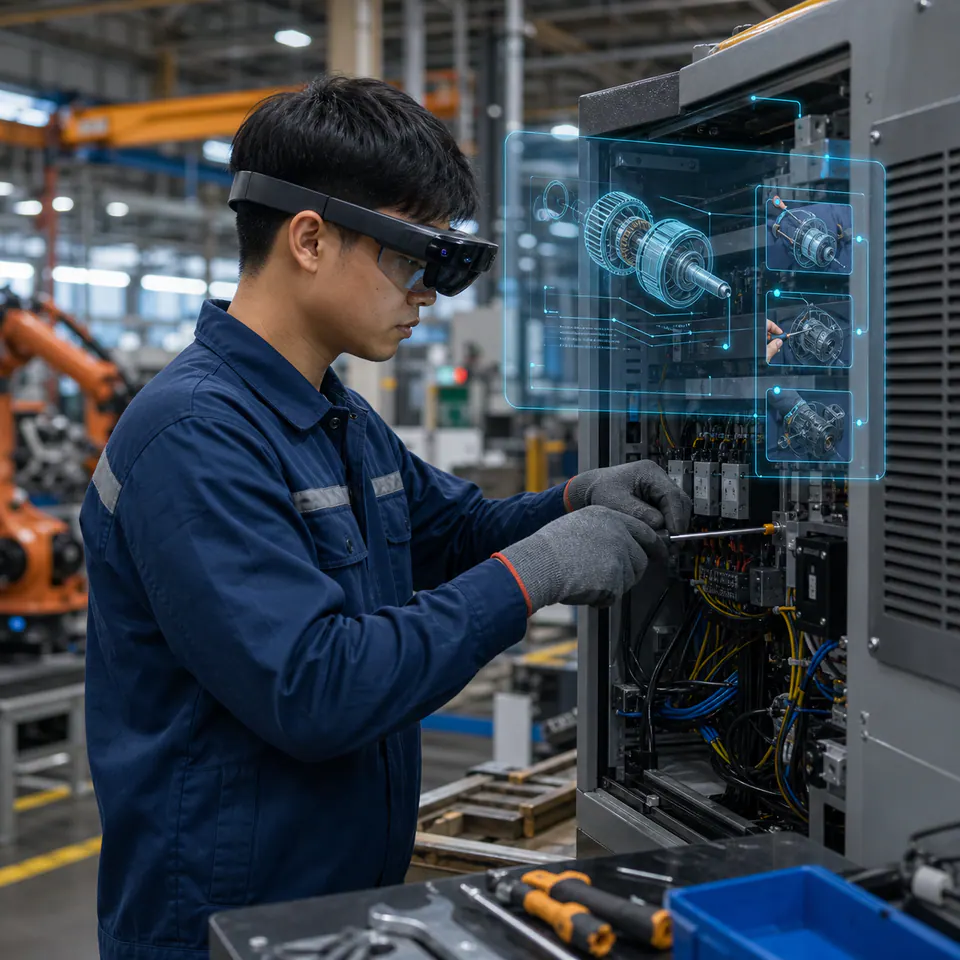
Technicians can view instructions overlaid directly on the equipment they are working on, helping them follow the right steps in the right places and resolve issues faster.
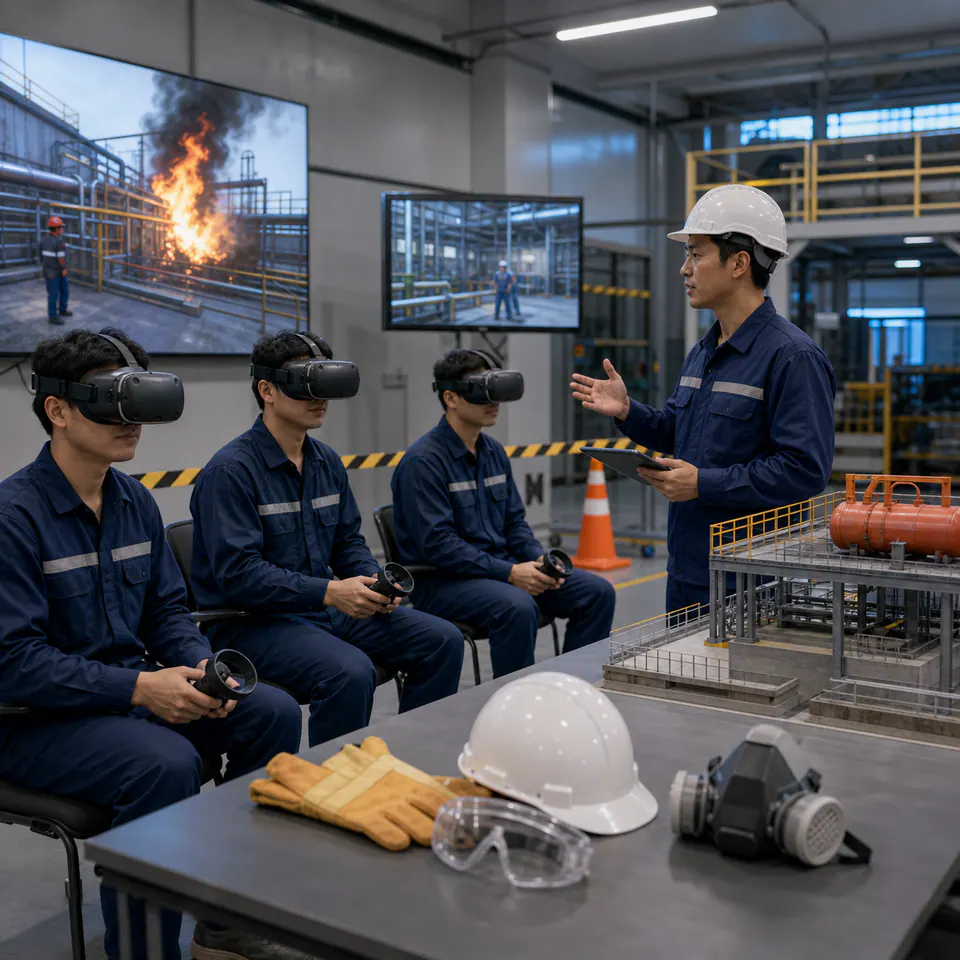
New staff can practice hazardous scenarios such as fires, explosions, lockout-tagout procedures and work in high-risk areas before entering a real production line.
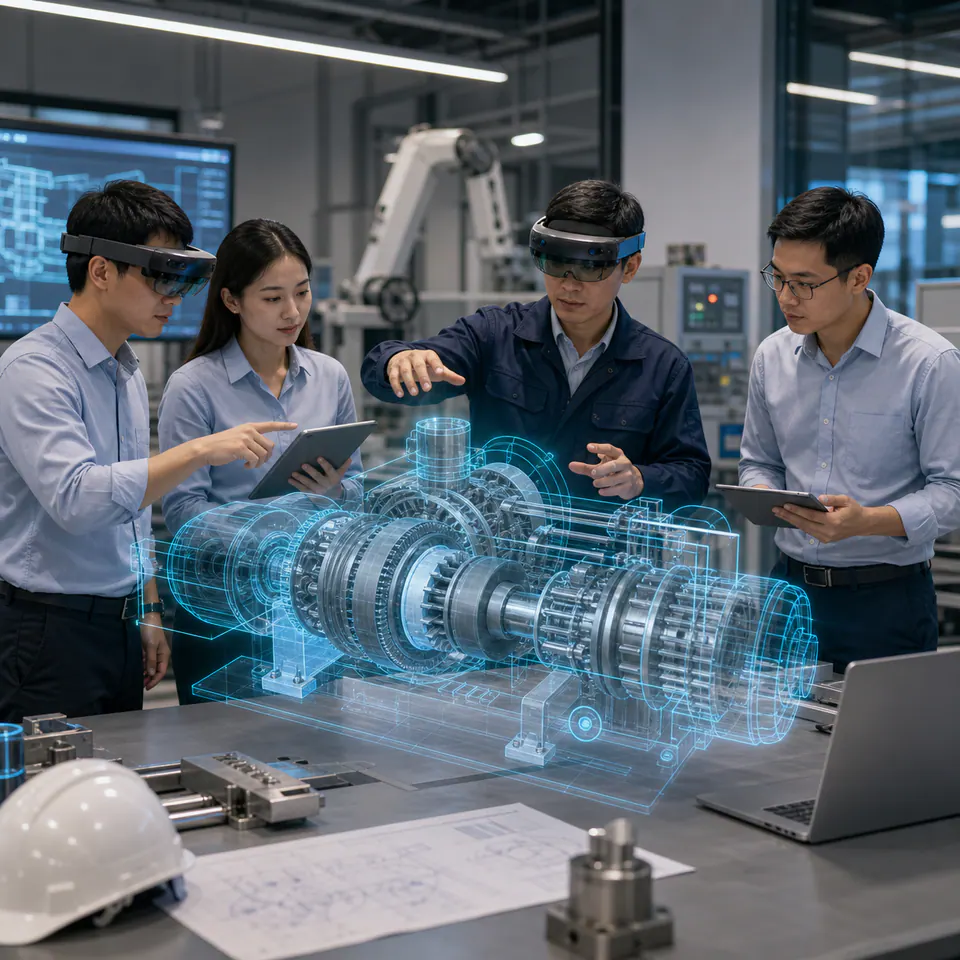
Engineering teams can review large-scale models of machines or production lines together, checking layouts and clashes before manufacturing, installation or system improvements.
An AR-enhanced history book app that reveals vivid images and settings on each page.
Scanning a page can reveal characters, artifacts or historical milestones in AR, making the history easier to visualize.
This experience makes lessons more engaging, sparks student interest and works well for interactive educational books.
A WebAR experience that tells stories of Vietnamese culture through digital content, suited to event activations, destination marketing and educational exhibits.
The project can use images, artifacts or markers to unlock digital storytelling, narrated videos, 3D models and interactive touchpoints directly on a phone.
Its strength is rapid web deployment: viewers can access the content without installing an app, making it ideal for campaigns with large numbers of participants.
A virtual tour solution that lets customers remotely explore properties or showrooms, understand the layout and get a sense of moving through the space before visiting.
The demo highlights immersive views, quick navigation between areas and hotspots that reveal sales or technical information.
This approach suits real estate, hotels, experience centers and any offering that needs to present a space more convincingly than static images.